Lyme Disease Prevention: Protecting Yourself Outdoors
- Understanding Lyme Disease: A Growing Concern
- Tick Identification and Habitat: Knowing Your Enemy
- Personal Prevention Strategies: Minimizing Exposure
- Recognizing Symptoms and the Importance of Early Detection
- Navigating Treatment and Understanding Long-Term Outlooks
- Community Efforts and Public Health Initiatives in Preventing Lyme
- Embracing the Outdoors with Effective Lyme Disease Prevention
Lyme disease prevention is an increasingly critical topic for anyone who enjoys spending time outdoors, from hikers and campers to gardeners and pet owners. Having personally seen the challenges faced by friends and family after a tick bite, I understand the anxiety and uncertainty that can come with this often misunderstood illness. In this article, we’ll dive deep into practical steps for preventing Lyme, understanding its nuances, and ensuring you can enjoy nature safely. Our goal is to empower you with knowledge, turning potential worry into proactive protection against this common tick-borne illness.
Understanding Lyme Disease: A Growing Concern
Lyme disease, caused by the bacterium Borrelia burgdorferi, is transmitted to humans through the bite of infected black-legged ticks, often referred to as deer ticks. It’s a condition that has seen a significant rise in reported cases over the past few decades, particularly in the northeastern, mid-Atlantic, and upper Midwestern United States, as well as parts of Canada and Europe. For many years, I’ve observed that a lack of awareness regarding proper Lyme disease prevention is one of the biggest hurdles we face in reducing incidence rates.
The disease can affect multiple body systems and, if left untreated, can lead to serious health complications affecting the joints, heart, and nervous system. My experience in public health education has shown me that dispelling myths and providing accurate information is key to protecting communities. While the disease can be severe, understanding the basics of how it’s transmitted and the simple steps you can take makes preventing Lyme an achievable goal for everyone.
Tick Identification and Habitat: Knowing Your Enemy
To effectively implement Lyme disease prevention strategies, it’s vital to know your foe: the tick. Black-legged ticks are tiny, especially in their nymph stage, which is responsible for the majority of human infections. Nymphs are about the size of a poppy seed, making them incredibly hard to spot. Adult ticks are larger, roughly the size of a sesame seed, and are more active in cooler months. My rule of thumb is, if you’re outdoors in a wooded or grassy area, assume ticks are present. You can find detailed images and identification guides on reputable sites like the Centers for Disease Control and Prevention (CDC) website.
These ticks thrive in wooded areas, tall grasses, and leaf litter. They don’t jump or fly; instead, they “quest,” waiting on vegetation for a host to brush by. They then climb onto the host, searching for a suitable spot to attach and feed. This behavior underscores why staying on marked trails and avoiding dense vegetation are crucial steps in preventing tick bites. We often underestimate how close to home these threats can be; even well-maintained suburban yards bordering wooded areas can harbor ticks.
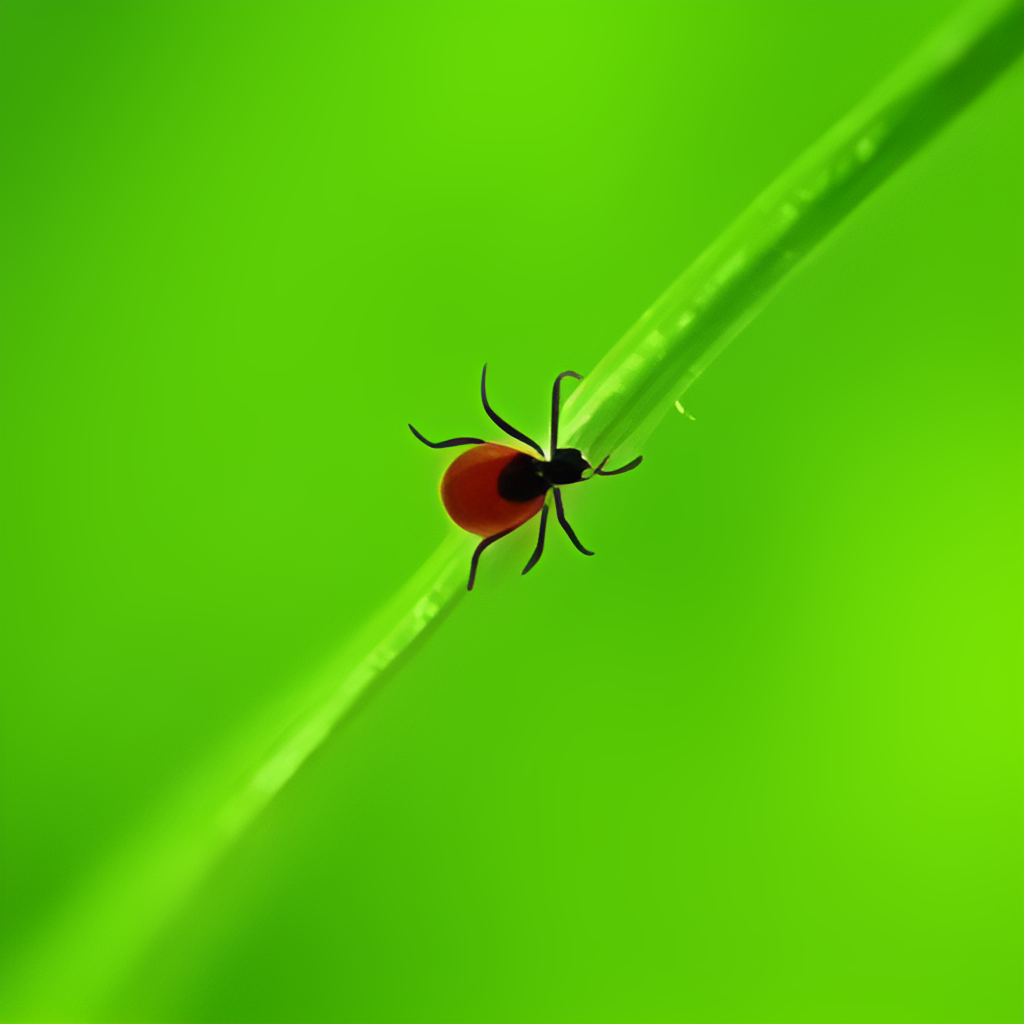
This image is a fictional image generated by GlobalTrendHub.
Personal Prevention Strategies: Minimizing Exposure
Effective personal prevention strategies form the cornerstone of any robust Lyme disease prevention plan. It’s not about avoiding the outdoors entirely, but rather about adopting smart habits:
- Wear Protective Clothing: When in tick-prone areas, dress in long pants, long-sleeved shirts, and tuck your pants into your socks. Lighter-colored clothing makes it easier to spot ticks.
- Use Tick Repellents: Apply EPA-registered insect repellents containing DEET, picaridin, IR3535, oil of lemon eucalyptus (OLE), para-menthane-diol (PMD), or 2-undecanone. Always follow product instructions carefully. Permethrin-treated clothing and gear can also offer excellent protection, but permethrin should not be applied directly to skin.
- Perform Daily Tick Checks: After spending time outdoors, conduct a thorough head-to-toe check for ticks. Pay special attention to hidden areas like the scalp, behind the ears, in the armpits, behind the knees, and in the groin area. A shower after outdoor activity can help wash off unattached ticks.
- Shower Promptly: Showering within two hours of coming indoors has been shown to reduce your risk of getting Lyme disease and can help wash off unattached ticks.
- Check Pets: Pets can bring ticks into your home. Regularly check your furry friends and talk to your vet about tick prevention products for animals.
From my own experience, consistent tick checks are perhaps the most vital step. I’ve found small ticks that would have otherwise gone unnoticed, simply by making it a routine after every outdoor excursion, no matter how brief. It’s a small investment of time that offers significant peace of mind.
Recognizing Symptoms and the Importance of Early Detection
Even with the best Lyme disease prevention efforts, a tick bite can sometimes occur. Knowing the early symptoms is paramount for successful treatment. The most recognized sign of early localized Lyme disease is the “bull’s-eye” rash (erythema migrans), which appears in about 70-80% of infected individuals. This rash typically develops within 3 to 30 days after the bite, often expanding gradually and feeling warm to the touch, but rarely itchy or painful.
However, it’s crucial to remember that not everyone develops a rash. Other early symptoms can include fever, chills, headache, fatigue, muscle and joint aches, and swollen lymph nodes. These flu-like symptoms can be non-specific, making diagnosis challenging. If you suspect a tick bite or experience these symptoms after potential exposure, seek medical attention immediately. Early diagnosis and treatment with antibiotics are key to preventing the disease from progressing to more severe stages.
I’ve personally witnessed the frustration when a diagnosis is delayed due to the absence of a classic rash. Trust your instincts, and advocate for thorough testing if you have concerns, especially if you live in or have visited an area where tick-borne illnesses are common.
Navigating Treatment and Understanding Long-Term Outlooks
When diagnosed early, Lyme disease is typically treated with oral antibiotics for a few weeks, leading to a full recovery for most individuals. Doxycycline is often the preferred antibiotic for adults and older children, while amoxicillin or cefuroxime axetil may be used for younger children and pregnant or breastfeeding women. The duration of treatment depends on the stage of the disease.
However, some individuals may experience persistent symptoms after treatment, a condition sometimes referred to as post-treatment Lyme disease syndrome (PTLDS). Symptoms can include fatigue, pain, or joint and muscle aches, lasting for months or even years. The exact cause of PTLDS is not fully understood, and research is ongoing. This is where the importance of stringent Lyme disease prevention becomes even clearer – avoiding the disease altogether is always the best outcome. My research indicates that addressing patient concerns holistically, even for those with PTLDS, is vital for improving quality of life, alongside continued scientific inquiry into its mechanisms.
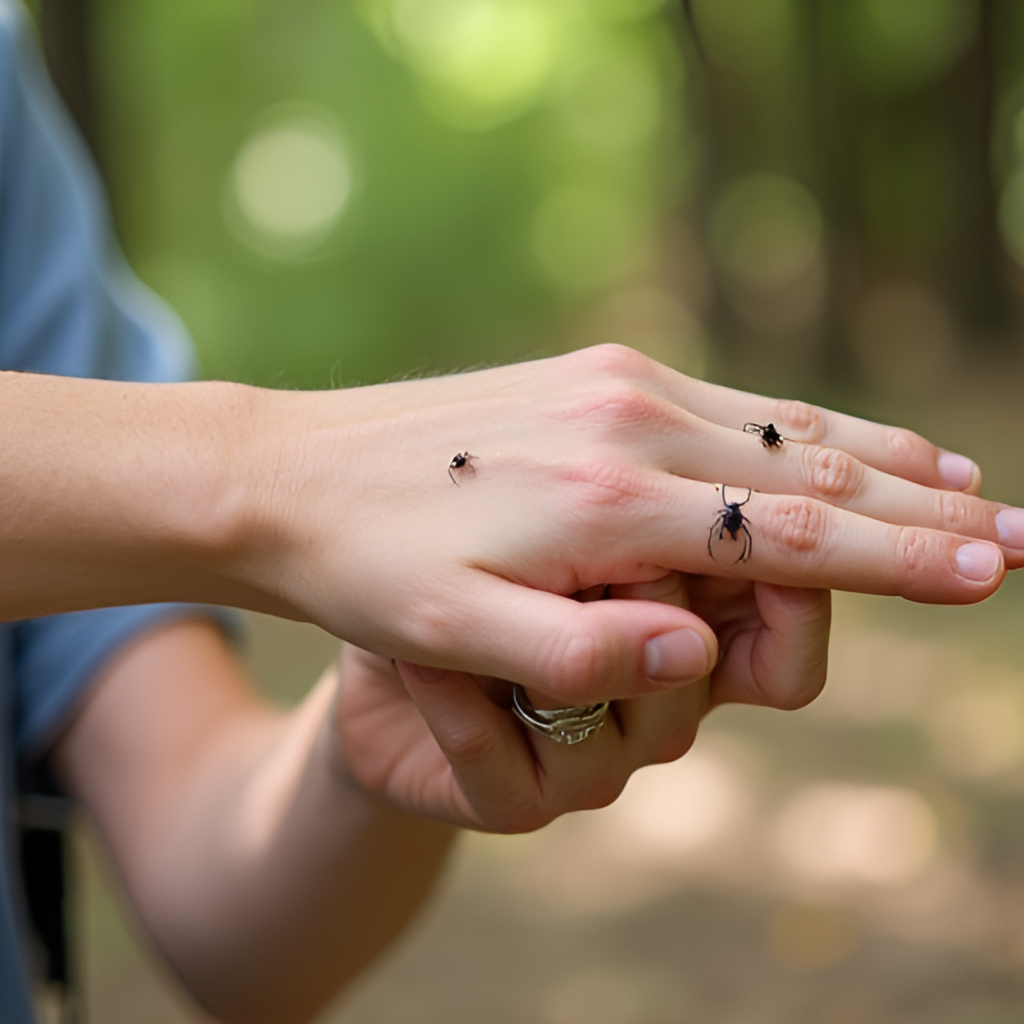
This image is a fictional image generated by GlobalTrendHub.
Community Efforts and Public Health Initiatives in Preventing Lyme
Beyond individual actions, community-level initiatives play a significant role in preventing Lyme. Public health campaigns raise awareness about tick-borne diseases, disseminate information on prevention, and encourage prompt medical attention. Local governments might implement tick management programs, such as treating high-risk areas or promoting landscape modifications to reduce tick habitats in parks and public spaces. Efforts like these, which focus on broader environmental controls and public education, are essential complements to personal prevention strategies. My experience collaborating with local health departments has highlighted the impact of targeted information campaigns on community health outcomes. For example, some communities have seen success with educational programs that distribute tick removal kits and provide demonstrations on their proper use.
Embracing the Outdoors with Effective Lyme Disease Prevention
Embracing the outdoors safely means being prepared and informed, especially when it comes to the risk of tick-borne illnesses like Lyme disease. By integrating effective Lyme disease prevention strategies into our routines, we can significantly reduce our risk of infection and continue to enjoy the natural world. Remember, knowledge is your best defense: understanding tick habitats, using repellents, performing thorough checks, and recognizing early symptoms are all crucial components. As someone who’s spent years advocating for public health awareness, I truly believe that consistent adherence to these simple, yet powerful, steps makes all the difference. Protecting ourselves from Lyme disease ensures that our adventures remain positive and healthy experiences for years to come.